
How to fix Laptop Overheating? Causes and Prevention
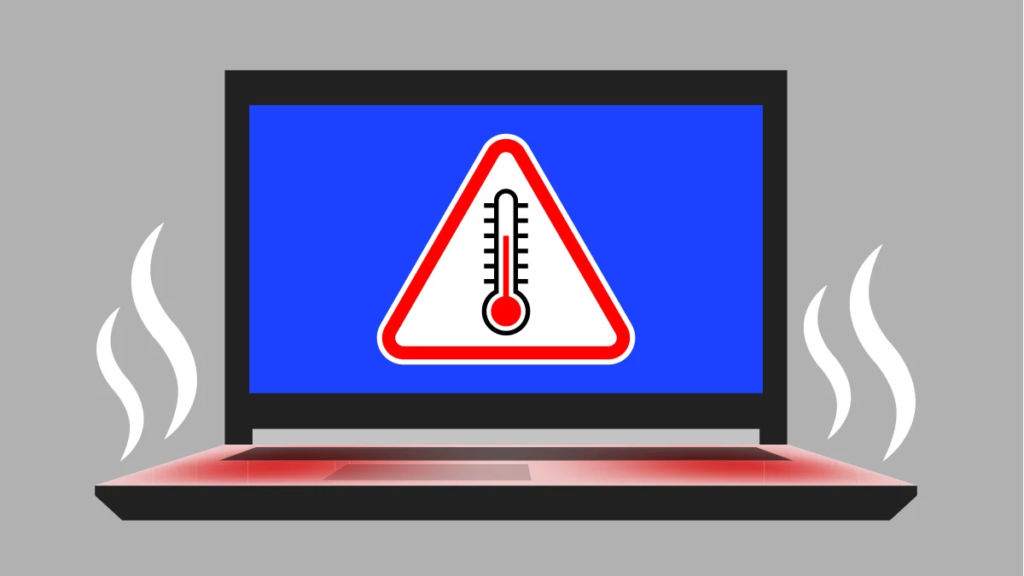
Let’s stop laptop overheating problems by quick steps without using tools. To save your laptop from this problem in future I will also guide you how to prevent it and what are the causes for this issue.
How to Fix Laptop Overheating? Prevention
You’ll discover how simple adjustments can reduce laptop overheating with practical solutions to restore your device’s performance.
Cleaning Dust from Internal Components
Dust can stop airflow by trapping heat and causing your laptop to work harder. To fix this, carefully disassemble your laptop and use compressed air to blow out dust from the fans and vents.
Improving Airflow and Ventilation
Keep your laptop placed on a hard, flat surface rather than soft fabrics like beds or couches that can block vents. You can also adjust your workspace to maximize ventilation, positioning your laptop near open windows for natural cooling.
Using Cooling Pads and Stands
These devices lift your laptop to enhance airflow and allow for better heat removal/draining. A well-ventilated setup ensures that hot air escapes efficiently during gaming or intensive work sessions. Cooling pads can also fix fan issues and reduce its noise if your fan is loud. Last time I connected 4k projector with my HP laptop and it starts heating immediately.
Thermal Paste: When and How to Apply
Over time, thermal paste can dry out and lose its efficiency, turning your laptop into a hotbox. If you notice consistent overheating issues or after a few years of heavy usage consider reapplying thermal paste.
NOTE: It’s a task that requires some technical knowledge.
Causes & Maintenance Tips
- Regular cleaning routine: Dust can get stuck in vents and fan systems, significantly blocking airflow.
- Quality cooling pad: It can act as a barrier against overheating that keeps your laptop’s temperature in check during heavy use.
Optoma UHZ50
The Optoma UHZ50 seamlessly blends 4K resolution with advanced image technologies like HDR10 and HLG. With support for various 3D formats, gamers appreciate the UHZ50’s input lag of just 4ms and a refresh rate of 240Hz, setting a new standard for responsiveness.
But it comes with only three HDMI inputs and three USB ports, which could limit your options for simultaneous connectivity. This limitation may push users to consider switching devices more frequently.
Very informational